About
Bio
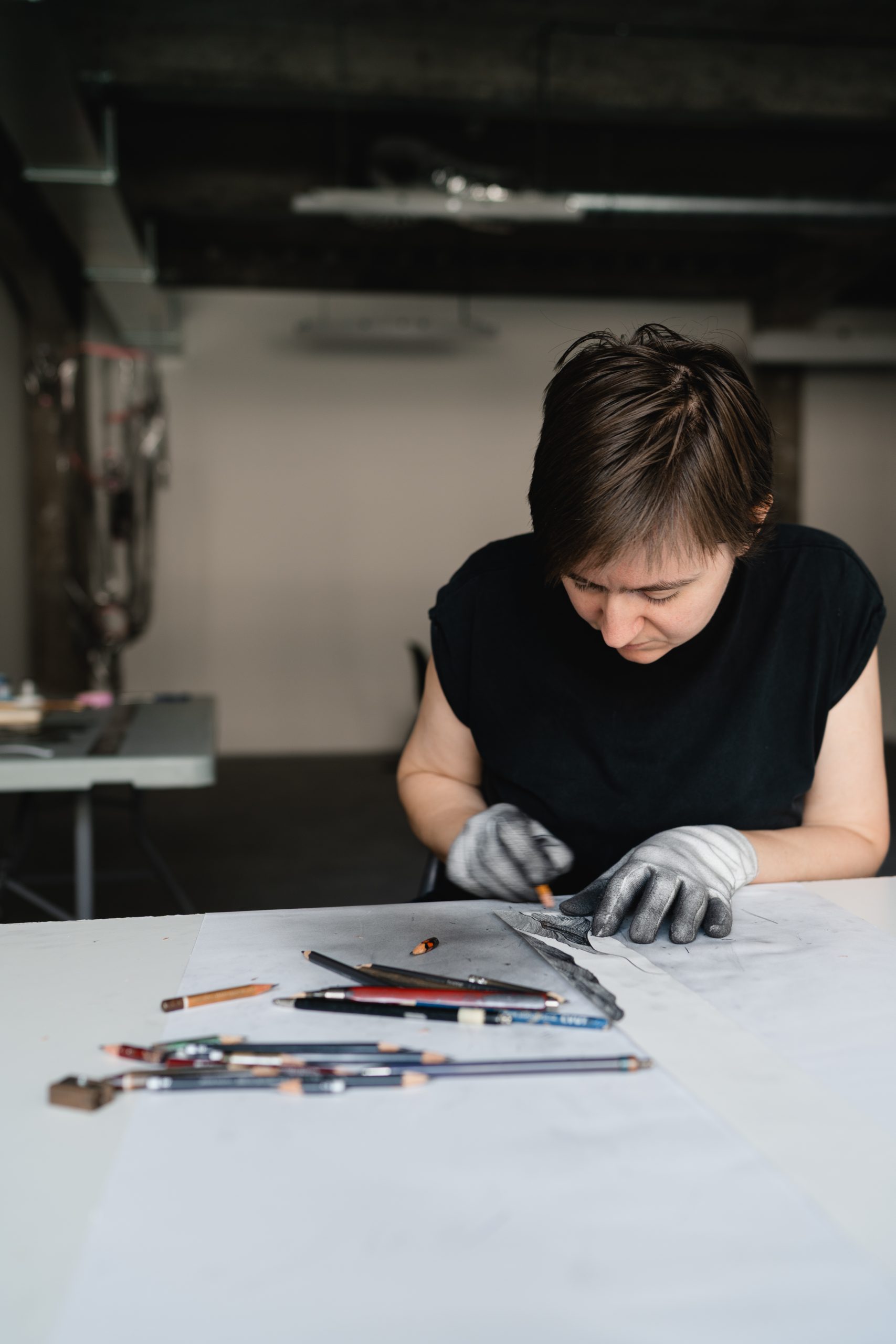
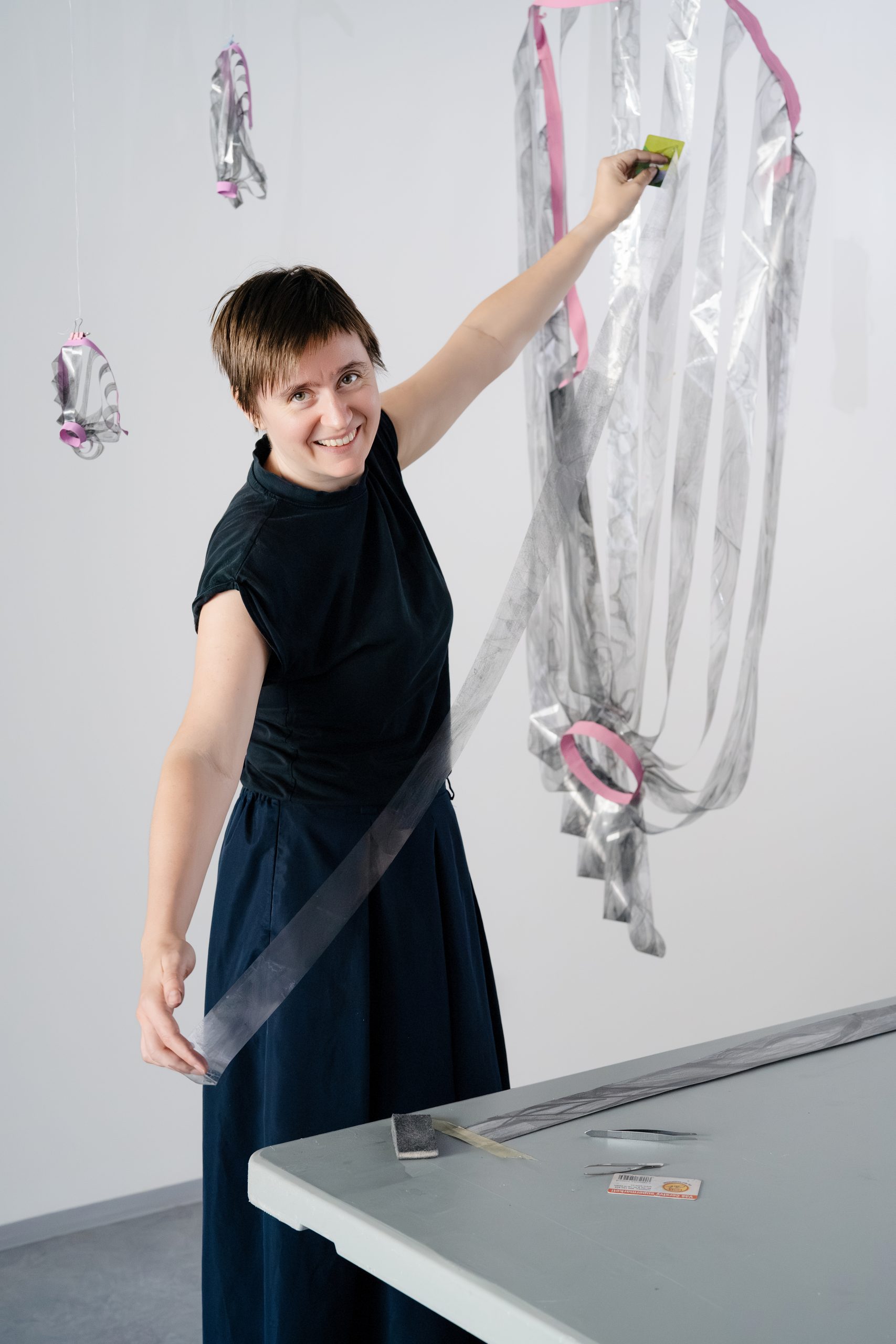
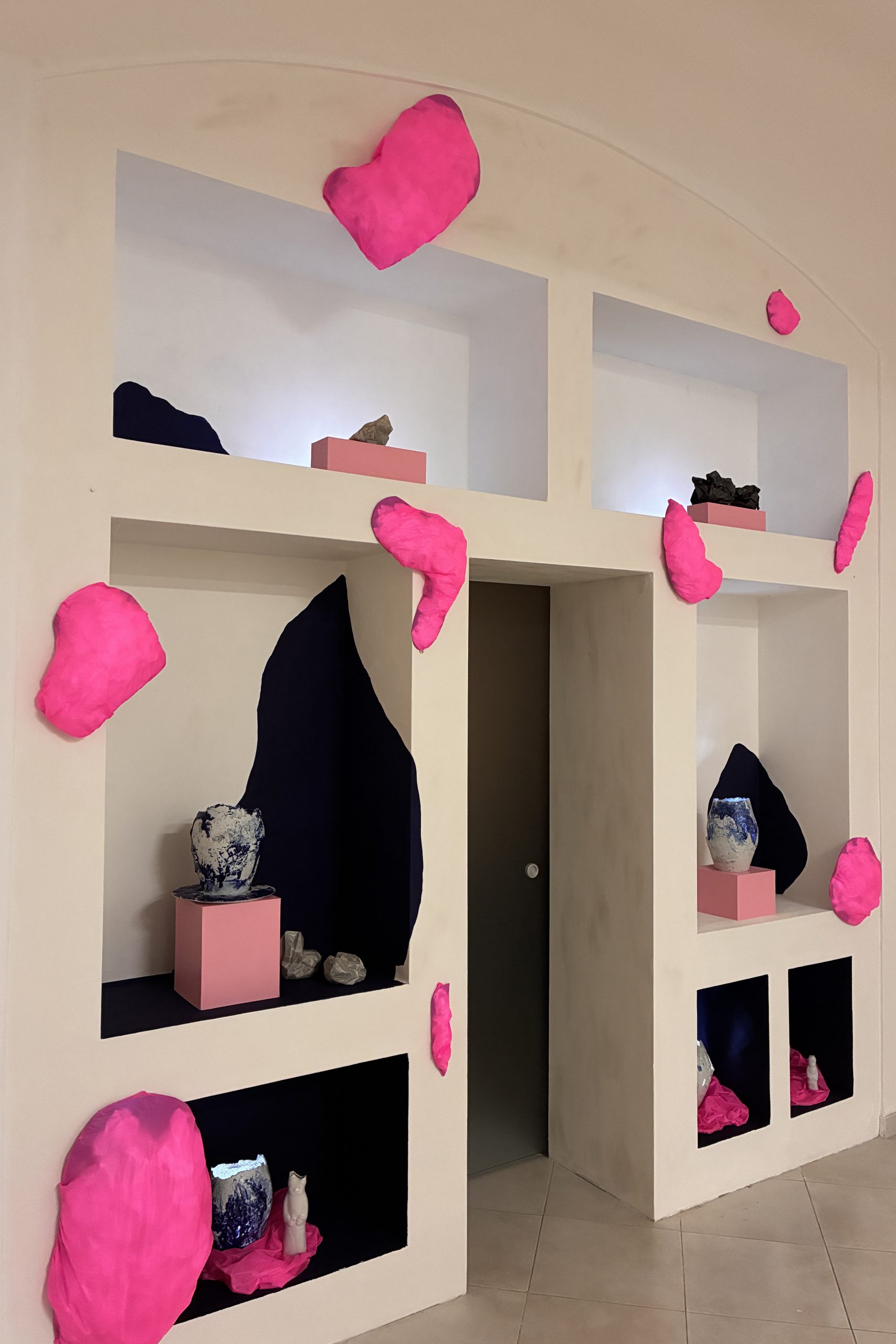
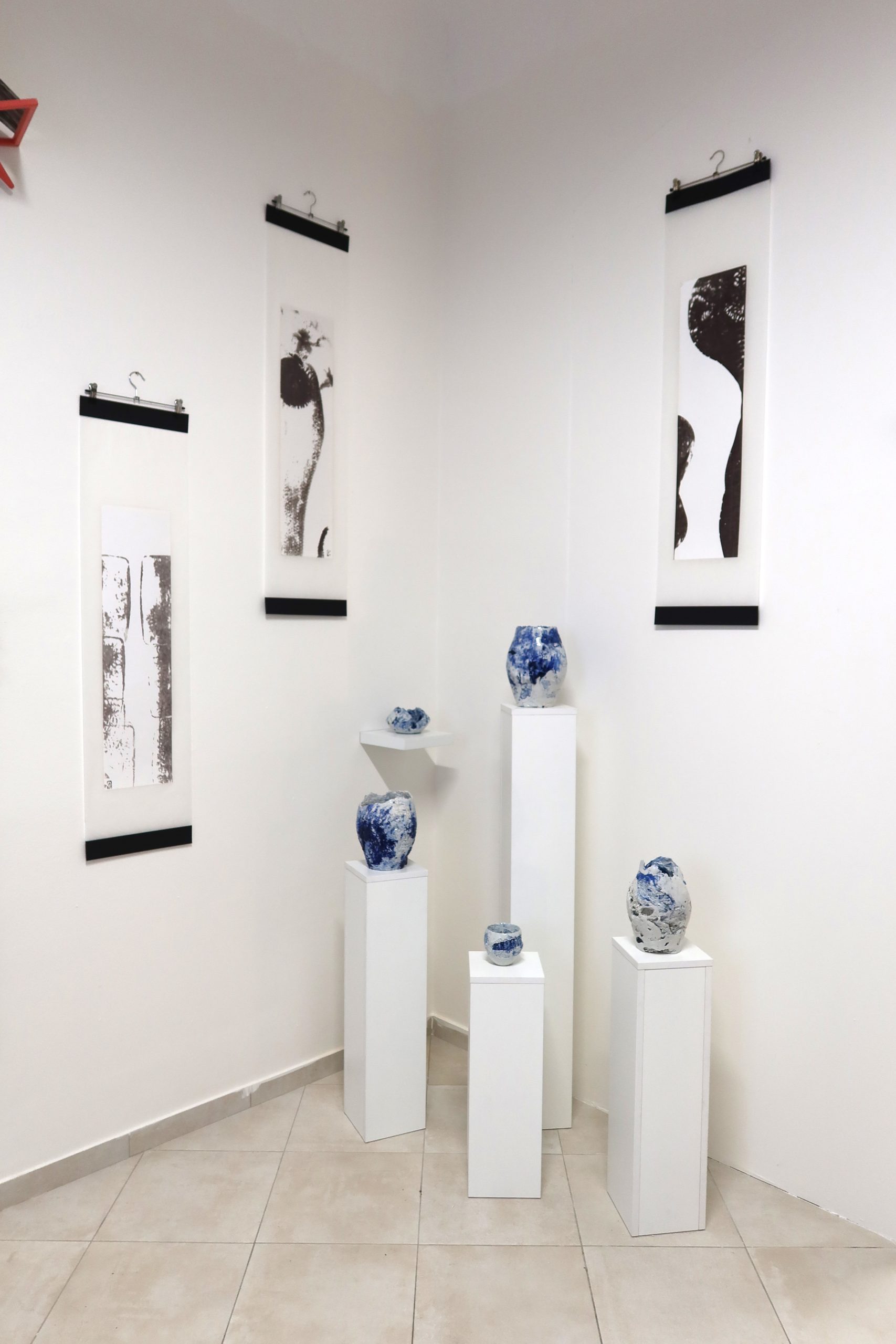
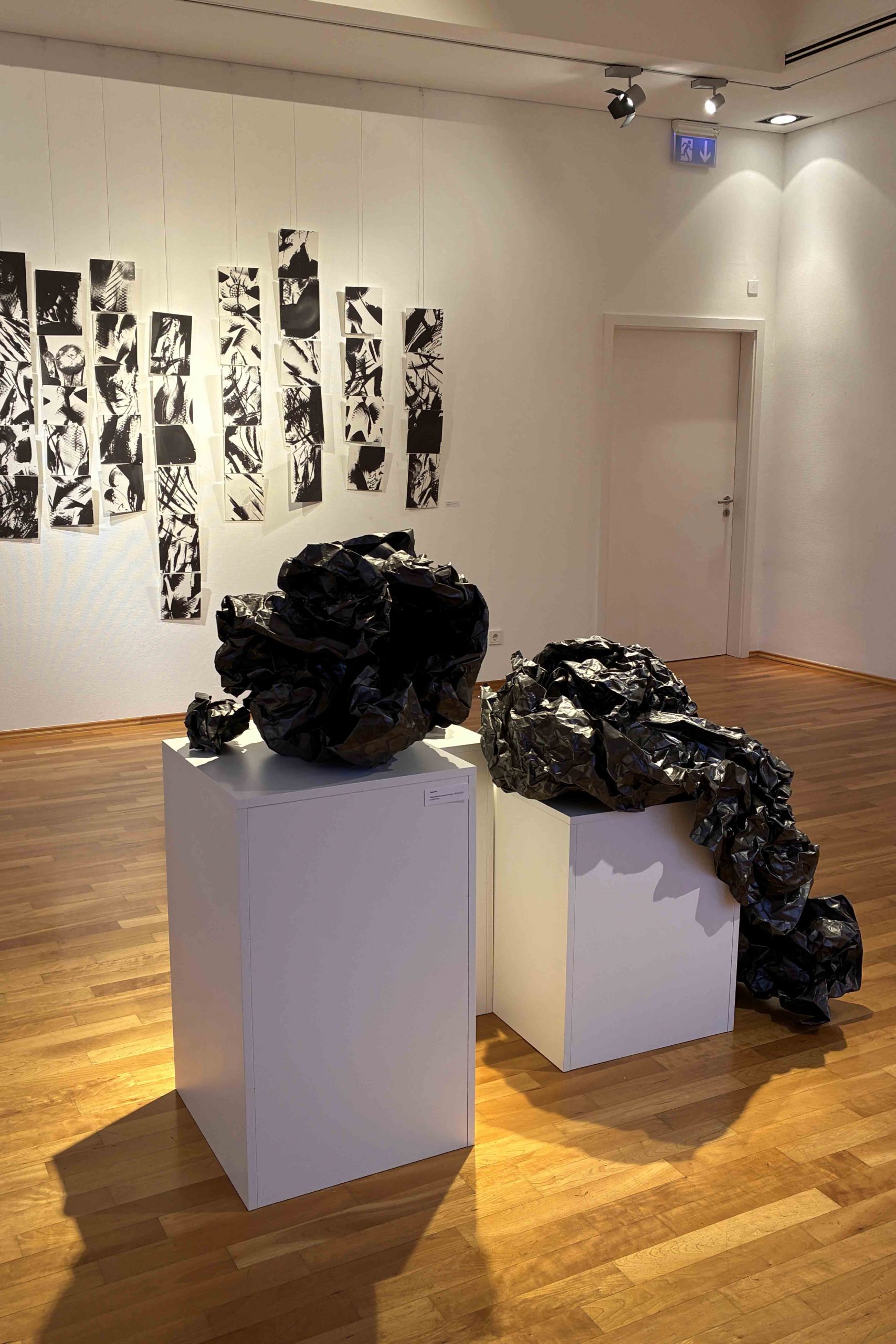
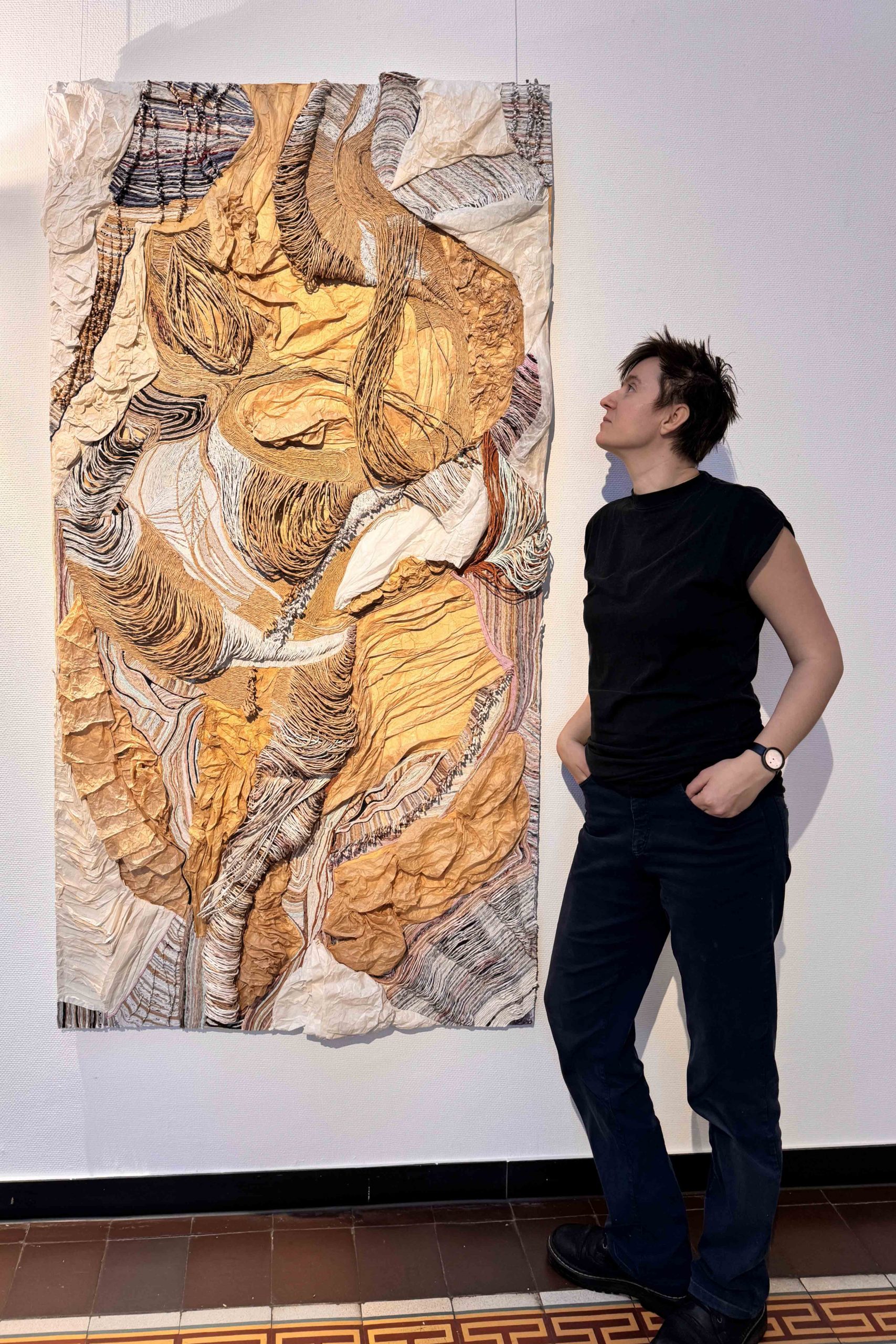
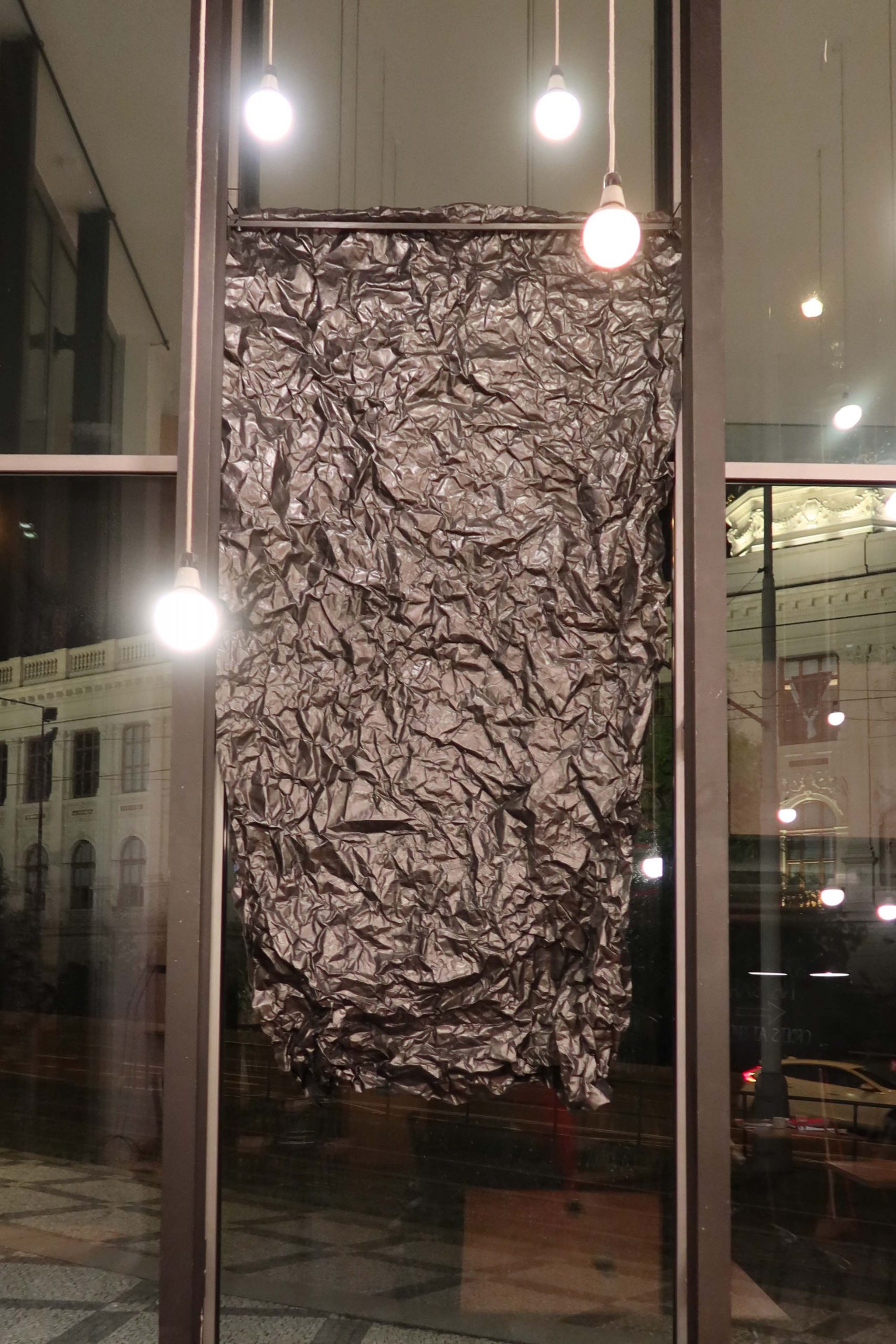
Lucie Vobr is a Czech visual artist who lives in tern in Czechia and Germany. Her work deals with touch in a physical and symbolic way, and the processes of transformation it may cause. The focus is on positive changes through destructive gestures and their creative potential. This destruction can give rise to something new and perhaps even more useful. Her work is based on seemingly fragile materials such as paper, adhesive tape, and porcelain that are significant for her work. They are repeatedly transformed by scribbling, crumpling, or tearing. Through these processes, she creates her own techniques which lead to the creation of abstract pieces because their meaning is symbolized by both the shape and the techniques themselves.
She perceives the arrangement of exhibitions as a key part of her work, creating specific compositions for each space. Lucie wants the works and space to communicate with each other in order to create new relationships and meanings. The purpose of her work is for the spectators to rest, find tranquillity and contemplate. In her events, she prefers to include the audience and guide them safely through the program. She doesn’t want to create obstacles or shock.
Lucie was greatly inspired by monumental paper sculptures by Angela Glajcar who also creates her works by using a violent gesture – tearing. In terms of Lucie’s recent event strategies, she has been returning to Lygia Clark’s art therapy approach.
In addition to her artistic work, she is a teacher emphasizing her students’ critical thinking and understanding of the relationship between function, idea, and personal expression. She was a co-founder of the Gravidity group which has been exploring the relationship between the body, clothing, and space. She is currently working with the group Polévka na baru, with whom she is preparing an exhibition at the Pragovka Gallery in May 2026 on the theme of food as a ritual. In future, she would like to further develop the theme of touch via objects in public spaces, allowing physical contact between the spectator and the work.
Lucie Vobr je česká vizuální umělkyně, střídavě žijící v Česku a Německu. Její tvorba zkoumá dotek, fyzický i symbolický, a s ním spojené procesy transformace. Těžištěm její práce je proměna srze destruktivní gesto a jeho tvůrčí potenciál. Díky této destrukci může totiž vzniknout něco nového a možná i užitečnějšího. Její práce se opírá o zdánlivě fragilní materiály jako papír, lepící pásku a porcelán, které opakovaně podrobuje transformaci např. skrz čmárání či krčení. Těmito postupy si vytváří své vlastní autorské techniky, jejichž specifický postup reflektuje samotnou myšlenku díla. Výsledná díla jsou abstraktní; jejich cílem je vytvořit prostor pro zastavení, poznávání a přehodnocení. Též ve svých aktivitách se Lucie snaží diváka zapojit a bezpečně provázet, nechce šokovat či vytvářet překážky.
Instalace výstav vnímá jako klíčovou součást tvorby. Pro každý prostor vytváří specifické kompozice, v nichž díla navzájem komunikují a vytváří tak i nové vztahy a významy. Velkou inspirací je pro ni monumentální papírová tvorba Angely Glajcar, jejíž díla vznikají právě díky společensky negativně vnímanému gestu jako trhání. Ve svých aktivitách v poslední době se Lucie inspiruje též arteterapeutickým přístupem Lygie Clark.
Kromě vlastní tvorby se věnuje pedagogické činnosti, v níž klade důraz na kritické myšlení a pochopení vztahu mezi funkcí, myšlenkou a osobním vyjádřením. Byla spoluzakladatelkou skupiny Gravidity group, zkoumající vztah těla, oděvu a prostoru. V současnosti působí ve skupině Polévka na baru, se kterou připravuje výstavu v Pragovka Gallery v květnu 2026 na téma jídlo jako rituál.
Lucie Vobr ist eine tschechische bildende Künstlerin, die abwechselnd in Tschechien und Deutschland tätig ist. Sie erzählt mit Hilfe von Bleistift, Papier und Klebeband die Geschichte einer Verwandlung. Das Kernthema ihrer Arbeit ist Berührung im physischen und symbolischen Sinn und die dadurch ausgelösten Transformationsprozesse. Der Fokus liegt auf positiven Veränderungen durch zerstörerische Gesten und deren kreatives Potenzial. Die anschließende Zerstörung kann etwas Neues und vielleicht sogar Nützlicheres hervorbringen. Durch diese Prozesse entwickelt sie ihre eigenen Techniken.
Um neue Beziehungen und Bedeutungen zu schaffen, bezieht Lucie bei Ausstellungen sorgsam die Aufstellung einzelner Kunstwerke ein, da für jeden Raum eine spezifische Komposition zu gestalten ist. Ziel ihrer Werke liegen darin, den Betrachtern Anlass zu geben, zur Ruhe zu kommen und erkennen sowie nachdenken zu können. Bei ihren Veranstaltungen zieht Lucie vor, das Publikum zu beteiligen und es unbesorgt durch das Programm zu führen. Sie möchte keine Hindernisse in dem Weg legen oder schockieren.
Lucie lässt sich stark von den monumentalen Papierskulpturen von Angela Glajcar inspirieren, deren Werke ebenfalls in dem Umgang mit einer gewaltsamen Geste bestehen – dem Zerreißen. Was ihre Veranstaltungsstrategien angeht, greift Lucie immer wieder auf den Kunsttherapieansatz von Lygia Clark zurück.
Neben ihrer eigenen künstlerischen Arbeit ist sie auch in der Lehre tätig. Der Schwerpunkt ihres Unterrichts beruht laut Lucie auf kritischem Denken und dem Verständnis der Beziehung zwischen Funktion, Idee und persönlichem Ausdruck.
Sie war Mitbegründerin der Kunstgruppe „Gravidity group“, die sich mit der Beziehung zwischen Körper, Kleidung und Raum beschäftigt. Derzeit arbeitet sie mit der Gruppe „Polévka na baru“ zusammen, mit der sie für Mai 2026 eine Ausstellung in der Pragovka-Galerie zum Thema „Essen als Ritual“ vorbereitet. In Zukunft möchte sie das Thema Berührung in Bezug auf Objekten im öffentlichen Raum weiterentwickeln und so den physischen Kontakt zwischen Betrachter und Werk ermöglichen.
CV
STUDY
2014-2017 Academy of Art, Architecture and Design in Prague, sculpture, doc. MgA. Dominik Lang and Mgr. Edith Jeřábková
2010-2014
West Bohemia University, New Media
doc. akad. mal Vladimír Merta and prof. Adéla Matasová
STUDY ABROAD PROGRAM
2015
National Taiwan University of Arts in Taipei, Taiwan, Chinese Painting and Calligraphy
2012
Chienkuo Technology University, Changua, Taiwan Multimedia Design
ARTIST IN RESIDENCE PROGRAM
2025 Pragovka Gallery, Praha
2023 Taipei Artist Village, Taipei
2017 Egon Schiele Art cenrum, Český Krumlov
PUBLICATION
Papier Global 2022, Anja Fröhlich, Brigitta Petschek-Sommer – 2022
Triennale internationale du papier Viviane Fontaine – 2023
2014-2017 Academy of Art, Architecture and Design in Prague, sculpture, doc. MgA. Dominik Lang and Mgr. Edith Jeřábková
STUDIUM
2014-2017 Vysoká škola uměleckoprůmyslová v Praze, obor : sochařství
2010-2014 Západočeská Univerzita v Plzni, FDULS, obor : nová média
STUDIJNÍ STÁŽE
2015 National Taiwan University of Arts in Taipei, Taiwan, obor : čínská malba a kaligrafie
2012 Chienkuo Technology University, Changua, Taiwan obor : multimediální design
UMĚLECKÉ REZIDENCE
2025 Pragovka Gallery, Praha
2023 Taipei Artist Village, Taipei
2017 Egon Schiele Art cenrum, Český Krumlov
PUBLIKACE
Papier Global 2022, Anja Fröhlich, Brigitta Petschek-Sommer – 2022
Triennale internationale du papier Viviane Fontaine – 2023
STUDIUM
2014-2017 Akademie für Kunst, Architektur und Design in Prag Fach : Bildhauerei
2010-2014 Westböhmische Universität in Pilsen Fach : Neue Medien
STUDIENAUFENTHALT IM AUSLAND
2015 National Taiwan University of Arts in Taipei, Taiwan Fach : Chinesische Malerei und Kalligraphie
2012 Chienkuo Technology University, Changua, Taiwan Fach : Multimedia Design
KUNST – REZIDENZ PROGRAMM
2025 Pragovka Gallery, Prag
2023 Taipei Artist Village, Taipeh
2017 Egon Schiele Art cenrum, Český Krumlov
PUBLIKATIONEN
Papier Global 2022, Anja Fröhlich, Brigitta Petschek-Sommer – 2022 Triennale internationale du papier Viviane Fontaine – 2023
Statement
I am sure you know this feeling, you are standing in a galleryspace and you can’t get over the desire to touch the exhibited artwork. You are thinking about the quality of the material; is this stone as hard and as cold as I expect? Is this work really made from stone or is it a mere imitation? And what about the structure? Is it real or has it just been painted? How deep is it? Could I hurt myself if I touched it? Or is it so smooth that my finger would slip down?
Thinking about these mysteries pushed aside much more important questions, for example about the meaning of this work of art, or what the artist wanted to express. For in my mind prevailed questions relating the softness and hardness of the artwork because if the work seemingly made from stone could be squeezed, the authors message for people and the whole universe would be totally different.
In my eyes, objects exhibited in a traditional environment lack tangibility and therefore provability. Is this the message the artist wanted to convey? I don’t think so … From my point of view, gallery goers would be able to work their way to understanding the meaning of the art work easier, if they could touch it and answer all related questions beforehand – move to the next level in understanding an art piece.
The question if what I see is real or not has been asked by artists for centuries, starting with the realistic representation of the dog’s fur in the painting called “Arnolfini-wedding” by Van Eyck. The fur feels surprisingly smooth and fluffy which irritates my imagination when I see it and makes me want to touch it. But can I really? No, it is just a representation and it takes us back to the doubts about the concrete art work above.
This uncertainty brings us to the simulation, when the simulation becomes more real than reality itself. When our senses are so confused that we are not able to differentiate between them anymore.
These thoughts and experiences have led me to the realization that in art the sense of touch is not sufficiently represented. But how does it look like? My source of inspiration have been frequently repeating everyday situations that have something to do with touch.
Znáte ten pocit, stojíte v Galerii a vysloveně se perete s touhou se vystaveného objektu dotknout. Přemýšlíte o jeho materiálu, je opravdu ten kámen tak tvrdý a chladný, jak se zdá? Jeto toto dílo opravdu z kamene nebo se jedná o pouhou imitaci? Co struktura? Je opravdová, nebo jen namalovaná? Jak je hluboká? Poraním se, pokud po ní přejedu prstem? Nebo je tak hladká, že mé prsty po ní sklouznou?
Přemítání o těchto záhadách vystrnadilo důležitější otázky, jako například o čem dílo pojednává, nebo co chtěl autor říci. Neboť v mé hlavě vždy převážily obsesivní myšlenky na to, zdali je dílo měkké nebo ne, protože pokud by se dílo vypadající jako kámen dalo vysloveně zmačknout, autorův vzkaz lidem a vesmíru by zněl jinak.
Pro mě osobně je ale tradičně vystavený objekt neuchopitelný, takže neověřitelný. Je toto ten vzkaz, který autor zamýšlel? No nejsem si jistá, že vždy se jedná o úmysl. Z mého pohledu by divák byl schopen se jednodušeji dopracovat k významu díla, pokud by se jej mohl dotknout a tyto otázky si tím pádem předem zodpovědět.
Již od realistického znázornění psa na malbě „Svatba Arnolfiniových“ od Van Eycka si jako diváci v umění klademe otázku, zdali to, co je zobrazeno, je reálné či nikoliv. Při pohledu na tento obraz si osobně představuji jemnou, nadýchanou srst psa a jaký bych mohla mít požitek z jeho hlazení…
Což nás vrací zpět k pochybám o opravdovosti betonového díla na začátku.
Toto znejistění nás přivádí k simulaci, kdy se simulace stává reálnější než realita sama. Kdy jsou naše smysly tak zmatené, že už neumí rozlišit mezi realitou a simulací.
Tyto úvahy a zkušenosti mne přivedly k zjištění, že v umění není dostatečně zastoupený hmat. Ale jak to vypadá v praxi? Jako inspirační zdroj mi často slouží stále se opakující každodenní situace vztahující se k hmatu.
Dieses Gefühl ist Ihnen bestimmt bekannt. Sie stehen in der Galerie und kämpfen buchstäblich mit dem Wunsch, das ausgestellte Objekt zu anzufassen. Sie denken über das Material nach: Ist der Beton wirklich so hart und kalt, wie er scheint? Ist dieses Werk wirklich aus Beton oder geht es nur um eine Imitation? Wie sieht es mit der Struktur aus? Ist sie echt oder nur gemalt? Wie tief ist sie? Werde ich mich verletzen, wenn ich mit dem Finger darüberstreiche? Oder ist sie so glatt, dass meine Finger über die Oberfläche gleiten können?
Fragen nach der Bedeutung des Werks oder was der Autor sagen wollte, wurden weggeschoben. In meinen Kopf hat immer die zwanghafte Frage gewonnen, ob das Werk weich oder hart ist. Dieser Kampf ist nicht so banal, als man denken konnte. Falls das als Beton scheinende Werk zugleich weich als Schwammstoff wäre, würde die künstlerische Botschaft für die Menschheit und Kosmos ganz anderes klingen.
Deshalb ist das ausgestellte Objekt in meinen Augen unfassbar und deswegen unbeweisbar. Ist das die Botschaft, die der Künstler ausdrücken wollten? Ich bin mir nicht sicher. Aus meiner Perspektive würden die Kunstinteressierenden die Meinung des Werkes einfacher verstehen, wenn es ermöglicht wäre, die Werke anzufassen und so diese Fragen im Voraus zu beantworten.
Seit der realistischen Darstellung des Hundes auf dem Gemälde „Arnolfini- Hochzeit“ von Van Eyck stellen wir uns in Kunst die Frage, ob das Dargestellte realistisch ist oder nicht. Wenn ich dieses Bild betrachte, fühle ich das kuschelweiche, flauschige Fell des Hunds. Diese Situation bringt uns zurück zu Zweifeln an der Beweisbarkeit des Betonkunstwerks am Angang.
Diese Unsicherheit führt uns zur Simulation, wenn die Simulation realer als die Realität selbst wird und unsere Sinne nicht mehr in der Lage sind, die Simulation von der Realität zu unterscheiden.
Diese Gedanken und Erfahrungen führten mich zur Folgerung, dass Berührung nicht genug in der Kunst repräsentiert wird. Aber wie sieht das in der Praxis aus? Ich lasse mich oft von alltäglichen Situationen inspirieren, die mit der Berührung zusammenhangen.
exhibitions
Kobalt-Weß-Rosa-Schwarz. Kunsthausfrankenthal, Frankenthal Essence in Form, Bid4Auction Gallery, Prague
Geofónie, Světlo Valmez, Valašské Meziříčí
Pragikomedionale, Pragovka Gallery, Prague
Geofónie, Lom Hády, Sonda festival, Brno
Group art exhibition, Bid 4 Auction Gallery, Prague Formy a přeměny, Bohemia Farmstudio, Vysoká Polévka na baru, Jednota, Plzeň
Let it Burn, Galerie Edikula, Brno
Inverze no.2, Pragovka gallery, Prague
Vezmi černou tužku a namaluj mi hrušku, CAFEDU, Prague Ornamental crime scene, Artist Village Treasure Hill, Taipei Viviane Fontaine International Paper Triennial 2023, Museé de Charmey, Charmey
Festival Sonda, Planetárium Brno
Inverze, Oblastní Galerie Vysočiny v Jihlavě,
Jihlava Fresh Legs 2022, Inselgalerie, Berlin
White, Black and Pink, Výstavní síň Čáslav,
Global Paper 5, Stadtmuseum Deggendorf
Who’s affraid to draw, Zeitraumexit, Mannheim
Festival Jinčí čin, Jičín
Space Between, Prenzlauer Studio, Berlin
Coronale 2020, Mannheimer Kunstverein, Mannheim
Please change your clothes II., Das Giftraum, Berlin
Please change your clothes I., Helmut art space, Leipzig
Subterein, Galerie Suterén, Brno
Kunstbacken, Dankbar Mannheim, Mannheim (solo)
14. Nachtwandel, Atelier 23, Mannheim
Akt, textilní výrobna Slezan, Frýdek-Místek
Spring Collective, Filippo ioco Gallery, Barcelona
In der Reihe, Zeitgenießische Galerie, Heidelberg (solo
Výstava pro introverty, Zámecká galerie ve Zruči nad Sázavou
Místo mezi, Divadlo v Řeznické, Praha (solo)
Sedimenty, Ukradená Galerie, Český Krumlov (solo)
Čtení z kůže z černé kostky, Artotéka městské knihovny v Praze (solo)
Sexy, Pragovka Art District, Praha
Festival Sinking song, Floating Castle, Grad Sněžník, Kozarisče
Klíček, Galerie Nika, Praha (solo)
Papír snese všechno, Papírna, Plzeň
Hologram, Galerie září, Praha
Pokoje 2. Containall, Praha
Site Specific, Světovar, Plzeň
New wave Photography 2013, Czuly Barbarzynca, Krakow
New wave Photography 2013, Crypth Gallery, London
Stay in touch